Creating a website no longer requires a big budget.
You can build and publish a website without paying for hosting, a domain name, or expensive web design software. Platforms such as WordPress.com, Wix, and Google Sites let beginners create websites with little or no technical knowledge.
But there is an important catch.
A website can be free to create without being completely free forever. Free plans often come with limitations such as a platform-branded web address, fewer features, limited storage, advertising, or restrictions on ecommerce and customization.
That raises an important question:
Should you create your website for free, or should you pay for hosting?
For a personal project or something you're simply experimenting with, free hosting can be perfectly fine.
For a business, professional portfolio, online store, or website you expect to grow, paid hosting is usually the better long-term choice.
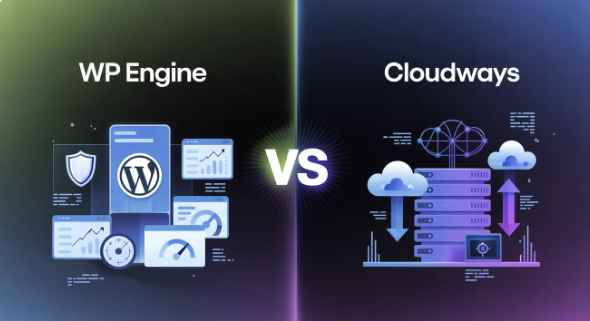
This guide explains both options, including what you get for free, what paid hosting costs, and when platforms such as WP Engine make sense.
Can You Really Create a Website for Free?
Yes.
You can create and publish a website without paying for traditional web hosting.
Platforms such as WordPress.com and Wix provide hosting as part of their free plans. Google Sites also lets you create and publish websites without purchasing separate hosting.
The important distinction is between creating a website for free and running a professional website without spending anything.
A free website might look something like:
or:
Instead of:
The first two addresses are provided by the platform. The last one is a custom domain that you normally need to purchase or connect to a paid service.
So, yes, you can create a website for $0.
But you need to decide whether the limitations of a free website are acceptable for your goals.
What Do You Need to Create a Website?
At a basic level, you need four things:
Website software or a website builder
Web hosting
A domain name
Website content
The good news is that free website platforms can bundle several of these together.
For example, WordPress.com provides hosting with its free plan, along with a WordPress.com subdomain. Its free plan currently includes 1 GB of storage, unlimited pages and posts, and basic traffic statistics.
Wix also provides free hosting and a website builder on its free plan.
This means you don't need to understand servers, DNS, databases, or WordPress installation to get started.
That's one of the biggest advantages of free website platforms.
How to Create a Website for Free?
The exact steps depend on the platform, but the process is generally straightforward.
Step 1: Choose a Free Website Platform
Some popular options include:
WordPress
Wix
Google Sites
Other free website builders
For a beginner, a hosted website builder is generally easier than downloading software and configuring a server.
Step 2: Create an Account
Most platforms only require an email address and password to get started.
For example, Wix says you can sign up for free and create a functioning website without paying.
Step 3: Choose a Template
Instead of designing every part of your website from scratch, choose a template.
You can usually customize:
Colors
Fonts
Images
Menus
Buttons
Pages
Text
Layout
Step 4: Add Your Content
A basic website might include:
Home
About
Services
Blog
Contact
Don't worry about making it perfect on day one. You can improve the design as you learn.
Step 5: Publish Your Website
Click Publish, and your website becomes accessible online.
That's it.
You can technically go from having no website to having a live website without spending a cent.
Best Platforms for Creating a Website for Free
Different free website platforms work better for different situations.
Here's a quick comparison.
Platform
Free Plan
Custom Domain
Best For
Yes
No
Blogs and content websites
Wix
Yes
No
Beginners and simple websites
Google Sites
Yes
Limited
Simple informational sites
Self-hosted WordPress
No
Yes
Full control and flexibility
WP Engine
No
Yes
Professional WordPress websites
Let's look at these options more closely.
Also Read: How Much Does Web Hosting Cost? Monthly & Yearly Hosting Prices
WordPress.com Free Website
WordPress.com is one of the easiest ways to create a free WordPress website.
Its free plan doesn't expire and doesn't require a credit card. You get hosting, WordPress software, themes and blocks, unlimited pages and posts, and 1 GB of storage.
The biggest limitation is the web address.
Your free website uses a WordPress.com subdomain rather than your own custom domain.
For example:
instead of:
WordPress.com Free Is Good For
Personal blogs
Hobby websites
Writing projects
Testing WordPress
School projects
Learning how websites work
WordPress.com Free Is Not Ideal For
Professional businesses
Serious ecommerce
Websites that need extensive customization
Brands that want a custom domain
If you're simply testing an idea, the free plan is a good place to start.
Wix Free Website
Wix takes a more visual approach.
You can create a website using its drag-and-drop editor without knowing how to code. Wix's free plan includes hosting, its website editor, no-code design features, templates, and an automatically generated Wix web address.
Its free plan costs:
$0
No credit card is required to start.
However, you'll need a paid plan if you want a custom domain and additional business features.
Current Wix Pricing
Wix currently lists these paid plans in its pricing information:
Plan
Current Price
Best For
Free
$0
Testing and personal websites
Light
$17.77/month
Basic professional websites
Core
$29.77/month
Websites with basic ecommerce
Business
$39.77/month
Growing businesses
Business Elite
$159.77/month
Larger businesses
The displayed Wix prices currently include GST on its pricing page and may vary depending on location, billing period, and promotions.
The Core plan is where Wix starts offering basic ecommerce capabilities, while Business adds more advanced ecommerce and marketing features.
Wix Free Is Good For
Personal websites
Hobby projects
Simple portfolios
Testing a business idea
Beginners who don't want to code
Wix Free Is Not Ideal For
A serious company website
A professional brand
Ecommerce
Websites where you need complete control over the platform
Google Sites
Google Sites is another option if you want to create a simple website without paying for hosting.
Google provides a straightforward editor where you can select a template, add content, and publish the site.
It's particularly useful for:
Internal team sites
School projects
Simple information pages
Event pages
Basic personal websites
Small documentation sites
However, Google Sites isn't designed to compete with a full WordPress installation when you need advanced themes, plugins, ecommerce, or extensive customization.
Think of it as a simple website publishing tool, rather than a full website platform.
What Does a Free Website Actually Cost?
If you stick entirely to a free plan, your direct cost can be:
$0 per year.
But you may give up some things in exchange.
Feature
Free Website
Paid Website
Website
Yes
Yes
Hosting
Usually included
Included/purchased
Subdomain
Usually yes
Usually custom domain
Custom domain
Often unavailable
Yes
SSL
Usually included
Usually included
Templates
Limited selection
More options
Storage
Limited
More storage
Ecommerce
Limited
Available on suitable plans
Plugins
Often limited
More flexibility
Branding/ads
May be present
Usually reduced/removed
Support
Basic
Better support on many plans
Scalability
Limited
Better
Server control
Little/no control
Depends on hosting
This is the central trade-off.
Free hosting saves money, but paid hosting gives you more control and flexibility.
Why Do Free Websites Have Limitations?
Free website companies still have to pay for servers, storage, bandwidth, development, security, and support.
So how can they offer websites for free?
Usually, the free plan acts as an entry point.
You get the basic website-building tools, while advanced features are available through paid plans.
The company may also limit things such as:
Storage
Bandwidth
Custom domains
Ecommerce
Advanced analytics
Plugins
Marketing tools
Custom code
Branding
The idea is simple:
You can start for free and pay when you need more.
That's not necessarily a bad thing.
In fact, it's a useful model for beginners because you can test your idea before spending money.
Free Website vs Paid Website
The biggest decision is not really about whether free hosting is "good" or "bad."
It's about what you're using the website for.
Let's compare the two.
Free Website
Advantages
Costs $0
Easy to set up
No server management
No technical knowledge required
Good for experiments
Good for personal projects
Disadvantages
Usually uses a platform subdomain
Limited customization
Limited storage
Fewer business features
Less control
May include platform branding
Can be difficult to scale
Paid Website
Advantages
Custom domain
More professional appearance
More storage and resources
Greater customization
Better business features
More control
Easier to scale
Disadvantages
Costs money
Requires more decisions
Some platforms have higher renewal prices
Premium themes and plugins can add additional costs
How Much Does Paid Website Hosting Cost?
Paid hosting doesn't necessarily mean spending hundreds of dollars.
For a beginner, basic hosting can cost only a few dollars per month.
A simple WordPress website might cost around $3-$15/month, depending on the provider, promotional pricing, and billing term.
As your requirements increase, so does the price.
Website Type
Typical Hosting Budget
Personal blog
$3-$10/month
Portfolio
$3-$10/month
Small business
$5-$25/month
Small ecommerce site
$15-$50/month
Growing website
$20-$100+/month
High-traffic website
$30-$200+/month
Enterprise website
$100+/month
You can therefore get a professional website online for relatively little money.
What Is the Difference Between WordPress.com and WordPress.org?
This causes a lot of confusion for beginners.
WordPress.com and WordPress.org are not the same thing.
With WordPress.com, hosting is built into the platform. The free plan gives you a hosted website without requiring you to purchase separate hosting.
With WordPress.org, the WordPress software itself is free, but you need to arrange your own hosting.
That means you might buy:
Domain + hosting + WordPress
The benefit is greater control.
You can choose your hosting provider, install plugins, select themes, customize the server environment, and move your website between providers.
This is where companies such as WP Engine come into the picture.
WP Engine: When Paid WordPress Hosting Makes Sense
WP Engine is a managed WordPress hosting provider.
It isn't a free website builder.
Instead, WP Engine provides hosting infrastructure and manages many technical aspects of running a WordPress website.
Its current Essential plan starts at:
$30/month
WP Engine currently shows its Essential plan at $30/month, with $350 due today for the annual option displayed on its pricing page.
The entry configuration supports one site, up to 25,000 visits per month, 10 GB storage, and 75 GB monthly bandwidth.
However, don’t let those pricing numbers discourage you from buying good hosting, since if you find active WP Engine discount deals, you can save a flat 50% on your first paid hosting.
WP Engine Current Pricing
Plan
Starting Price
Best For
Startup
$30/month
Small websites and blogs
Professional
$55/month
Growing brands
Growth
$109/month
Growing businesses
Scale
$276/month
Higher-traffic sites
Core
$400/month
Larger, advanced websites
WP Engine's Essential plans include features such as managed WordPress, PHP and MySQL updates, global CDN, 24/7 WordPress technical support, automated migration tools, threat defense, daily backups, staging environments, SSL, and DDoS protection.
So why would anyone pay $30/month when they can create a website for free?
Because they're solving different problems.
A free website is about getting online at no cost.
WP Engine is about running a professional WordPress website with managed infrastructure and support.
If you're starting your first personal blog, WP Engine is probably unnecessary.
If you're running a business website that generates leads or revenue, the additional cost can be much easier to justify.
When Should You Use Free Hosting?
Free hosting is a good choice when your website is mainly for learning, experimenting, or personal use.
Choose a free website if:
You're learning how websites work.
You're testing a business idea.
You're creating a school project.
You're building a temporary website.
You're creating a hobby blog.
You don't care about having a custom domain.
You don't expect significant traffic.
You don't need advanced features.
For these situations, spending money on hosting before you know whether you need it doesn't make much sense.
When Should You Pay for Hosting?
Paid hosting becomes more attractive when your website has a business purpose.
Choose paid hosting if:
You're building a company website.
You want a custom domain.
You're starting an online store.
You're building a professional portfolio.
You want to monetize your website.
You need advanced WordPress plugins.
You expect the website to grow.
You want more control over your website.
You need professional support.
For a business, the question shouldn't simply be:
"Can I get hosting for free?"
Instead, ask:
"Will paying for hosting help me build a better business?"
If the answer is yes, the relatively small hosting expense can be worthwhile.
Should You Use Free Hosting for a Business Website?
For most businesses, I wouldn't recommend staying on a free plan long-term.
Imagine you're contacting a potential customer and give them this address:
It works.
But compare it with:
The second looks more professional, is easier to remember, and gives you greater control over your brand.
A custom domain isn't magically going to make your business successful, of course. But it removes one unnecessary barrier.
For a business, website hosting is usually a small operating expense rather than something worth avoiding at all costs.
Should You Use Free Hosting for a Blog?
This depends on the type of blog.
Personal blog
Free hosting is perfectly reasonable.
If you're writing about your travels, hobbies, experiences, or interests, start free if you want.
Blog you're trying to monetize
Paid hosting is usually better.
If you're building a blog with the goal of earning money from advertising, affiliate marketing, products, services, or sponsorships, investing in a custom domain and better hosting from the beginning can save you a migration headache later.
Business blog
Use paid hosting.
If the blog supports a business, treat it as part of the business website rather than a hobby project.
Should You Use Free Hosting for Ecommerce?
This is where I'd draw a much firmer line.
Don't build a serious ecommerce business around a severely limited free website plan.
An online store needs:
Product pages
Shopping cart
Checkout
Payment processing
Customer accounts
Security
Backups
Performance
Inventory management
Order management
Some platforms offer ecommerce on paid plans.
For example, Wix currently includes basic ecommerce on its Core plan, which is listed at $29.77/month on its current pricing page.
For WordPress, you can use WooCommerce with suitable paid hosting.
For a small store, you don't necessarily need expensive managed hosting immediately. But you should choose a platform that can handle the store's requirements.
Also Read: WP Engine Pricing (2026): Plans, Costs & What You Really Pay
What About Free WordPress Hosting?
There are two very different things people mean when they say "free WordPress hosting."
WordPress.com Free
This is the beginner-friendly option.
WordPress.com hosts the website for you and gives you a free WordPress.com subdomain.
Free self-hosted WordPress hosting
This is much less common and often comes with significant limitations.
You may encounter:
Very little storage
Low server resources
Limited support
Forced advertising
Poor performance
Suspensions due to resource usage
Security concerns
If you're serious about building a self-hosted WordPress website, cheap paid hosting is generally a safer route than hunting for a "free server."
Is Free Hosting Good for SEO?
A free website can appear in search engines, but the platform and limitations matter.
Using a free subdomain doesn't automatically mean your website cannot rank.
However, a professional website usually benefits from having:
A custom domain
Good site speed
Reliable hosting
Strong content
Mobile-friendly design
Technical SEO controls
Good internal linking
A clear site structure
Free plans can limit some of these capabilities.
For an SEO-focused business website, I'd therefore choose paid hosting.
Is Free Hosting Safe?
A reputable free website platform can provide a reasonably secure environment.
For example, WordPress.com says its free plan includes hosted WordPress and built-in security.
The bigger concern comes from random "free hosting" providers where you have little information about the company, infrastructure, backups, or security practices.
There's an important distinction between:
Free website platform from an established provider
and
A random company offering unlimited free server hosting.
The first can be perfectly useful.
The second deserves much more caution.
How Much Does a Custom Domain Cost?
A custom domain is normally a separate expense when you build a self-hosted website.
A common .com domain typically costs around $10-$20 per year, although the exact price depends on the registrar, extension, promotions, and renewal rate.
Some paid website plans include a free domain for the first year.
For example, WordPress.com provides a free domain credit for the first year when you purchase an eligible annual plan. After the first year, the domain renews at the standard price.
So a basic paid website can often be built for roughly:
Hosting + domain = $50-$200 per year
You don't necessarily need to spend thousands of dollars.
Free Website vs Paid Hosting: The Real Cost
Here's the simplest way to think about it.
If You Want To...
Free Website
Paid Hosting
Learn website building
Great
Optional
Create a hobby site
Great
Optional
Build a school project
Great
Unnecessary
Test an idea
Great
Optional
Start a personal blog
Good
Better long-term
Build a professional portfolio
Limited
Recommended
Build a business
Limited
Recommended
Start ecommerce
Usually insufficient
Recommended
Monetize a serious blog
Limited
Recommended
Build a high-traffic site
Not ideal
Recommended
Run a web application
Not suitable
Required
Which Option Should You Choose?
Here's the decision in plain English.
Choose a free website if:
"I just want a website and don't want to spend money yet."
Start with WordPress.com, Wix, or Google Sites.
Choose cheap paid hosting if:
"I want a real website for myself, my business, or my blog."
You don't need premium hosting. A basic hosting plan can be enough.
Choose managed WordPress hosting if:
"My website is important to my business and I don't want to manage the technical side myself."
This is where services such as WP Engine become more relevant, and current running deals on WP Engine make it a more affordable and practical choice.
Choose VPS or cloud hosting if:
"I need more control and I'm comfortable managing servers."
This is generally more appropriate for developers and technically experienced users.
A Simple Hosting Decision Tree
Still unsure?
Use this:
Are you building a hobby or school website?
→ Yes: Start free.
Are you testing an idea and aren't sure whether it will work?
→ Yes: Start free.
Are you building a personal blog that you want to grow?
→ Consider low-cost paid hosting.
Are you building a professional portfolio?
→ Choose paid hosting + a custom domain.
Are you building a business website?
→ Choose paid hosting + a custom domain.
Are you building an ecommerce store?
→ Choose a paid ecommerce-capable platform or hosting plan.
Are you building a high-traffic WordPress website?
→ Consider managed WordPress hosting such as WP Engine.
Are you a developer who needs server control?
→ Consider VPS or cloud hosting.
The Bottom Line
Yes, you can create a website for free.
Platforms such as WordPress.com, Wix, and Google Sites make it possible to create and publish a website without buying traditional hosting.
For a personal project, hobby, school assignment, or experiment, that's often all you need.
But free hosting comes with trade-offs.
You'll typically have less control, a platform-provided web address, fewer features, and limits on things such as storage, customization, or ecommerce.
If you're building a business, professional portfolio, monetized blog, or ecommerce store, paid hosting is usually the smarter choice.
And paid doesn't automatically mean expensive.
You can start with basic hosting for a few dollars per month and upgrade as your website grows.
At the other end of the spectrum, managed platforms such as WP Engine currently start at $30/month because they provide much more than basic server space, including managed WordPress services, security features, backups, CDN, staging, and expert support.
So the answer isn't simply "free is better" or "paid is better."
It's this:
Use free hosting when your goal is to experiment or learn. Pay for hosting when your website becomes important enough that you need your own domain, more control, better features, or room to grow.
Start where you are. You can always upgrade later.
FAQs
Can I Create A Website For Free?
Yes, you can create a website for free using platforms that provide free website builders, hosting, and subdomains. However, free plans often come with limitations such as platform branding, limited storage, fewer customization options, and restricted features.
What Is The Difference Between A Free Website And Paid Hosting?
A free website usually comes with limited resources and features, while paid hosting gives you greater control, better performance, more storage, and additional customization options. Paid hosting also typically allows you to use a custom domain instead of a platform-provided subdomain.
Is Free Website Hosting Good For A Business?
Free hosting can work for testing or basic projects, but paid hosting is generally better for businesses. A paid plan can provide a professional domain, improved performance, better support, enhanced security, and more control over your website.
Can I Use My Own Domain With A Free Website?
Some free website platforms allow custom domains only on paid plans, while others may require you to purchase and connect a domain separately. Free plans commonly provide a platform-branded subdomain instead of a custom domain.
Is Paid Hosting Worth It Compared To A Free Website?
Paid hosting is usually worth considering if you want a professional website, greater control, reliable performance, and room to grow. Free hosting can be a good starting point for learning, experimenting, or creating a simple personal website.



Write a comment ...