As online learning evolves rapidly, 2026 is shaping up to be a breakthrough year for education beyond traditional classrooms. With rapid tech adoption, rising demand for job-ready skills, and flexible learning formats, new and established platforms are changing how people upskill, reskill, and stay competitive in today’s job market.
Whether you’re a student, professional, or lifelong learner, this overview helps you discover the top emerging online learning platforms, what makes them relevant, and how they fit into current online education trends.
1. Udacity – Skill-Focused Nanodegrees and Career Paths
Udacity continues to make waves in 2026 as a platform that focuses on tech skills, including artificial intelligence, machine learning, cloud computing, and software engineering. What sets it apart is its strong industry alignment through real-world projects and mentor support.
If you’re curious about saving money while exploring these programs, check out this guide on the Udacity student discount and how it helps make learning more accessible:
👉 https://quickbooks-vs-freshbooks.beehiiv.com/p/udacity-student-discount
Udacity also offers free courses with certificates, letting learners sample high-quality content before committing to a paid path:
👉 https://udacity-free-courses-with-certificate.mystrikingly.com/
Plus, many learners take advantage of a free trial to explore a course’s content before paying:
👉 https://hackmd.io/@johniee123/udacity-free-trial
2. Expanded MOOC Platforms with Hybrid Features
Massive Open Online Courses (MOOCs) like Coursera, edX, and FutureLearn continue to evolve. In 2026, these platforms are blending traditional lecture formats with career services, industry certifications, and learner communities.
Today’s learners don’t just watch videos—they engage in hands-on labs, receive career coaching, and access peer discussions that simulate real workplace scenarios. The trend is toward “learn-and-apply” experiences rather than passive watching.
3. Tech Bootcamps and Short-Term Upskilling Paths
Short, intensive bootcamp programs are now key players in the e-learning landscape. Bootcamps focus on skills that employers want right now—coding, cybersecurity, product management, and data analytics. These platforms are gaining traction because they offer fast competency building, sometimes in just a few months.
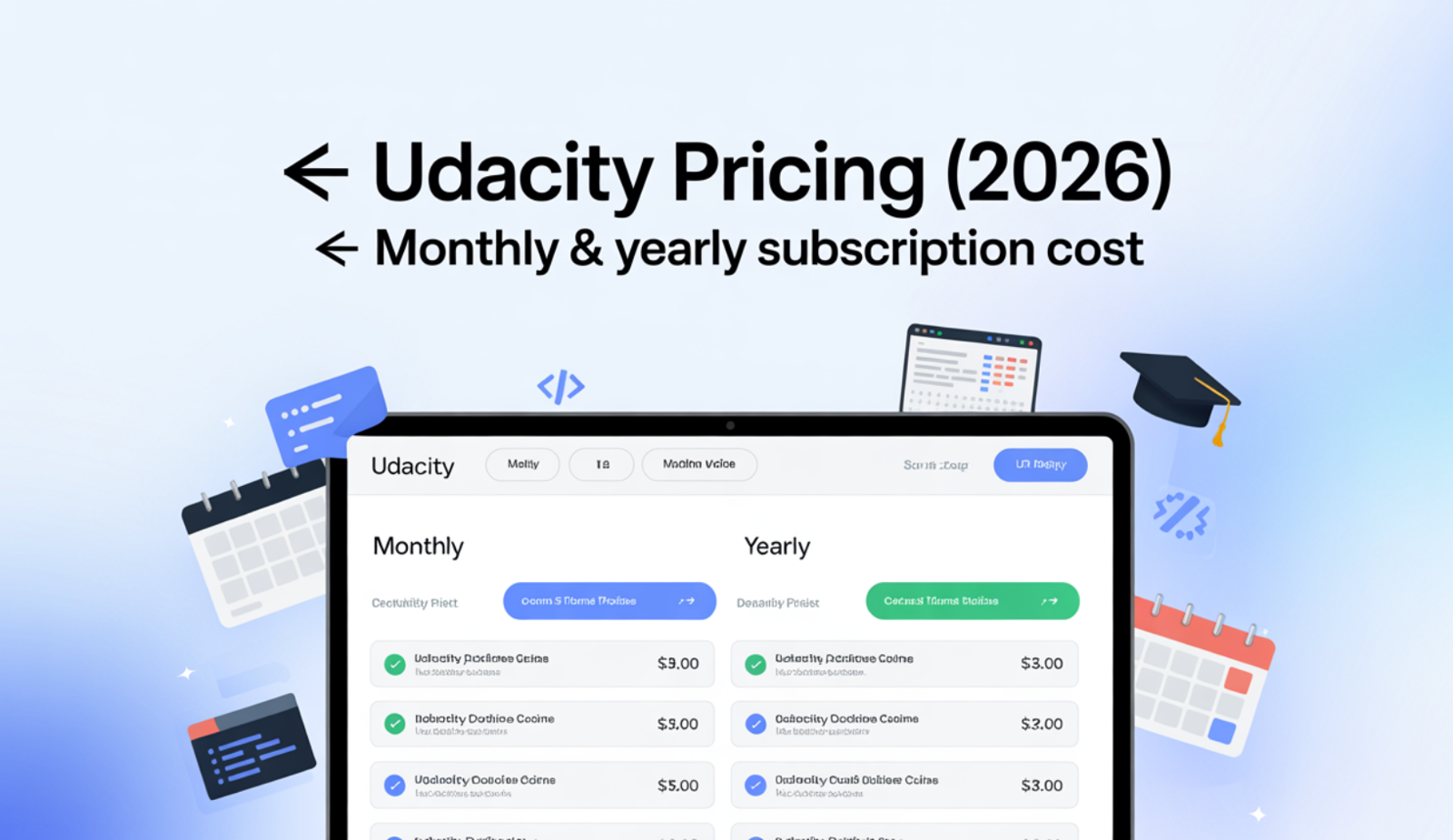
If you’re curious about pricing trends for skill-centric platforms like Udacity in 2026, this breakdown is helpful:
👉 https://onlinedeals.stck.me/post/1538009/Udacity-Pricing-2026-Monthly-Yearly-Subscription-Cost
Learners today prefer courses that deliver measurable outcomes, such as project portfolios, certifications, and match hiring standards.
4. AI-Driven Personalized Learning Experiences
One of the hottest trends in online learning is personalized education powered by artificial intelligence. New platforms analyze learner behavior, adapt content to individual progress, and recommend the next steps in real time.
These systems can track skills gaps, adjust the difficulty of modules, and create dynamic study pathways that reflect your pace. The goal is fewer one-size-fits-all courses and more adaptive learning experiences.
Open-source and collaborative platforms are also emerging, where learners and educators co-create content. For example, developer communities use shared repositories for documentation and tutorials, which you can explore here:
👉 https://gitlab.aicrowd.com/-/snippets/414119
5. Skills Marketplaces and Micro Credentials
Learning marketplaces like Udemy, Skillshare, and Pluralsight are evolving into ecosystems where individual instructors can publish short courses, nano-certifications, and micro-credentials. Employers increasingly value these micro-credentials because they prove specific job skills without requiring a full degree.
This trend aligns with the gig economy, where learners want bite-sized learning rather than long, drawn-out programs.
Final Thoughts: What 2026 Means for Learners
Online learning in 2026 is about flexibility, accessibility, and direct career relevance. Gone are the days when online education was just video lectures. Today, platforms provide:
Hybrid learning options
Real-world project experience
Mentorship and career services
AI-driven personalization
Certifications respected by employers
Whether you’re exploring Udacity with discounts and free trial options or diving into new bootcamps and AI-powered education apps, the future of learning is bright and adaptable.
Pick the platform that matches your career goals, take advantage of pricing deals and scholarship options, and keep your skills relevant in a world that keeps changing fast.



Write a comment ...